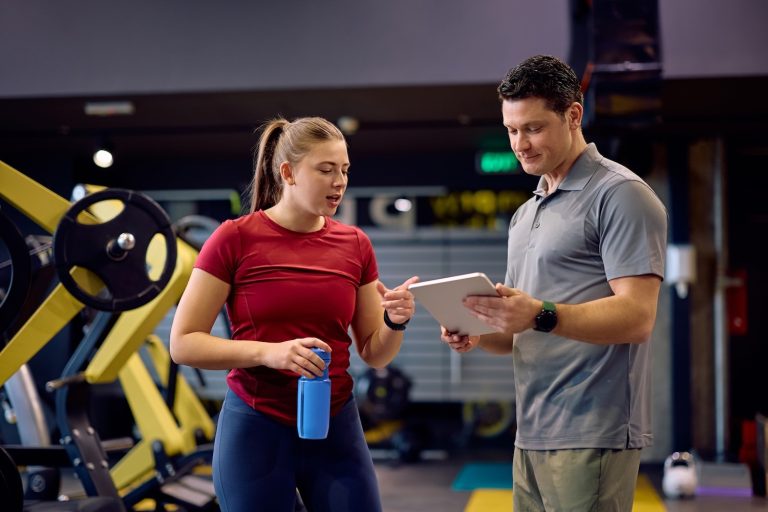
How to Become a Personal Trainer: 5 Keys for Success
How to become a personal trainer requires more than earning a certificate and receiving a job offer. Here are the keys that will lead to long-term success.
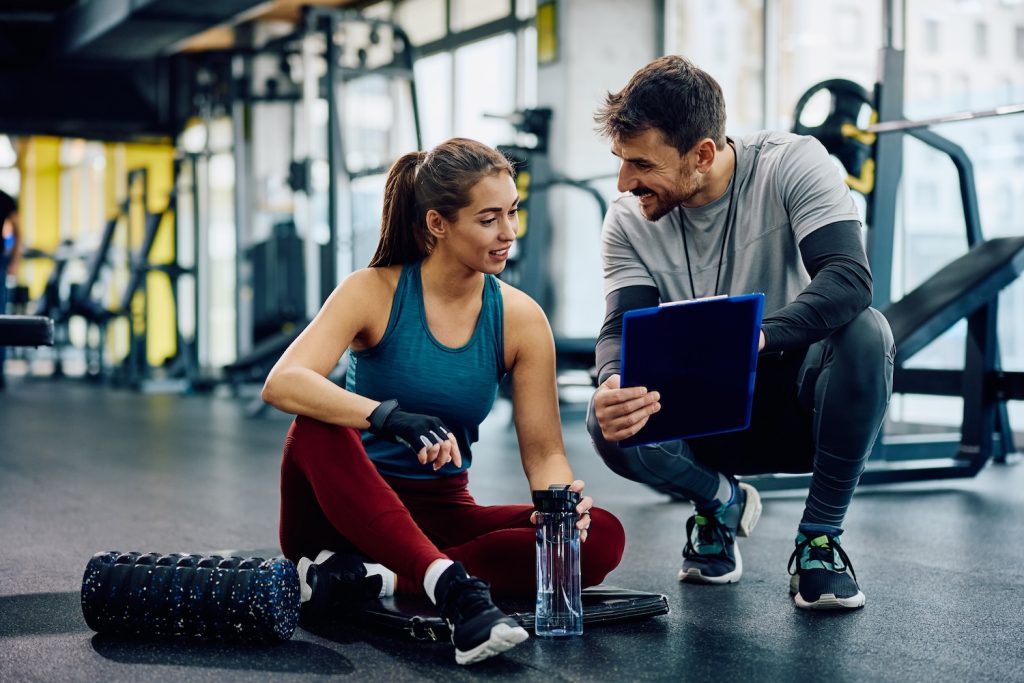
A career as a personal trainer is an enticing option for those who aspire to help others reach their fitness and athletic goals. It’s a great choice for people who also have a background in fitness or athletics, enjoy the exercise environment and are strong communicators and relationship-builders.
How to become a personal trainer may seem relatively straightforward: sign up for a personal training certification program and pass the exam. But not all certification programs are created equally when it comes to their curriculum and methods.
Plus, after you’re certified, there are specific skill areas you’ll need to develop to be successful. We break these skill areas down in AIHP’s Integrated Strength and Performance Coach (ISPC) certification program, with advice on how to develop and improve on each.
Here are our five keys to becoming a successful personal trainer.
1. Select the Right Program and Earn Your Certification
Becoming a personal trainer, which we refer to as a strength and performance coach at AIHP, requires a well-rounded understanding of exercise science and how to apply that knowledge in training program design and working with athletes.
When selecting the best strength and performance coach certification program for you, pay close attention to the curriculum and teaching method—videos versus a textbook, proctored exam versus online exam—to ensure the program aligns with your learning goals and needs.
Most certifying organizations require additional certifications to specialize in working with diverse populations, such as pregnant or postpartum athletes. Our ISPC program, however, provides specific education on working with diverse populations, so you’re ready to work with all types of athletes from the get-go.
Also, pay attention to the program’s prerequisites before registering. Most programs require you to be age 18 or older, hold a CPR/AED certification, and have a high school diploma or GED.
AIHP has waived the education and CPR/AED certification requirements, since the ISPC program already requires sharp cognitive skills to be successful, and many strength and performance coaches work virtually today. Upon employment at an organization, you will be required to gain CPR/AED certification, and anyone working with athletes in person should pursue certification independently.
Looking to compare the best personal trainer certificates? Here’s a breakdown.
2. Adhere to High Professional Standards
Professionalism is extremely important in building your career as a strength and performance coach. Unfortunately, many coaches do not operate with high professional standards. The simple fact is that your professional behavior has everything to do with new athlete acquisition and retention.
Good professional habits of a strength and performance coach include:
- Doing what you say you’ll do and following through on obligations
- Being on time or early for commitments, and starting/ending sessions on time
- Paying full attention to your athlete and appropriately assessing their form
- Writing professional emails with proper grammar and without types
- Replying to calls and emails promptly
- Operating within your scope of practice and knowledge
- Dressing professionally
3. Prioritize Effective Communication
Knowing how to communicate effectively with your athletes is one of the most important roles as a coach. Without effective communication, an athlete may become less engaged in the coaching process, misunderstand the training expectations or exercise specifics, and may not get the best results.
There are many areas of effective communication in your work as a strength and performance coach, but here are a few:
- Active Listening: Active listening requires empathy, full attention, acknowledgment of what the other person is saying and asking questions to get a deeper understanding. As a coach, this is paramount to fully understanding your athlete, building their trust and progressing them safely and effectively.
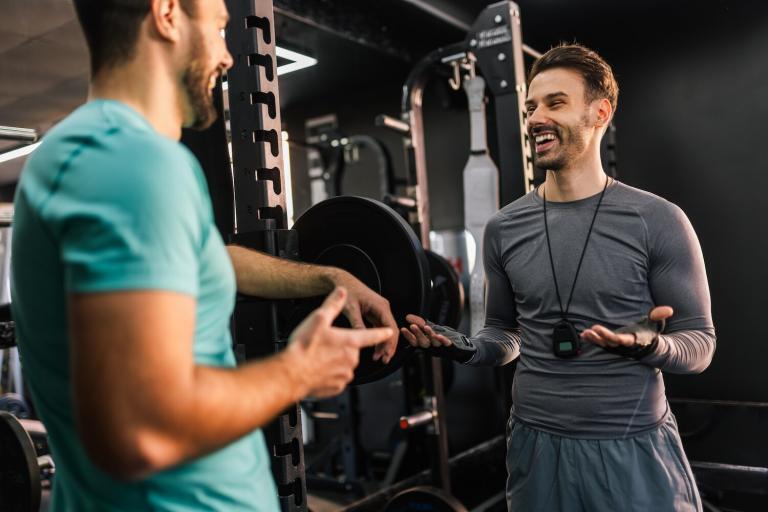
- Body Language: During sessions, avoid sitting, leaning against a wall, slumping or staring at your phone. Also, avoid talking to others for extended periods of time. During a coaching session, your athlete should be your only focus.
- Explain the Why: Most athletes want to understand why a coach told them to do a particular exercise. The more informed an athlete is, the more likely they are to be invested in the coaching process. This often translates to better outcomes.
- Follow Up: Whether you just had an introductory session with a prospective athlete or sent an existing athlete their weekly program, remember to follow up. Following up not only shows that you care, but it is also necessary to progress an existing coach/athlete relationship or start a new one.
4. Be Visible and Network, Network, Network
In the club and gym environments, being visible to other members is an effective marketing strategy that’s often overlooked. Assume you’re always being watched, especially when coaching an athlete. The exercises that you have your athletes perform and the attention and professionalism that you display won’t go unnoticed.
Just as important, take every opportunity to network! As the saying goes, “It’s not what you know, it’s who you know.”
To start, network with your fellow strength and performance coaches and agree to share referrals if you or they meet a client who isn’t the right fit. Then, take the time to build relationships with professionals and business owners at complementary companies. These might include:
- Running, Cycling or Triathlon stores
- Yoga Studios
- Healthy Food Stores
- Fitness Equipment Stores
- Massage or Physical Therapy Clinics
You never know where a referral might come from, or how you might be able to provide additional value to your athletes by suggesting someone from your network as a resource they’ve been seeking.
5. Stay Sharp with Continued Learning
Staying current with your education related to the fitness industry is not just about maintaining your certification. Rather, you should commit to a constant state of learning to become the best you can be as a coach.
Like any industry, the fitness industry is constantly evolving with new findings that are critically important for coaches, such as new training methodologies, injury prevention strategies and physiological research.
Many certifying organizations require continuing education credits to remain in good standing as a strength and performance coach. This requires significant investment and feelings of being financially tied to the company. At AIHP, we don’t believe in that approach. Instead, we provide lifetime access to our course content and updates after registration. Plus, we publish in-depth summaries of recent peer-reviewed research on scientific topics related to the coaching profession.
Final Thoughts
How to become a personal trainer or strength and performance coach goes beyond the basics of gaining a certification and getting a job offer. To succeed in the industry, you’ll also need to prioritize high professional standards, learn to communicate effectively, be visible and build networking relationships, and remain a student of the profession.
Interested in learning how much personal trainers make? Read more here.