Essential Home Gym Equipment: What Actually Matters?
Designing your home gym should be unique to your workout lifestyle and goals. Here are the basics on choosing essential home gym equipment that’s versatile, effective, and safe.
Written by Hannah Witt
Creating a home gym can feel overwhelming. Scroll social media for five minutes, and you’ll see influencers surrounded by specialty bars, endless machines, and racks full of equipment that cost more than a used car.
The truth? You don’t need a massive space or thousands of dollars to build an effective training setup.
Whether your goal is to get stronger, improve athletic performance, stay healthy or simply make exercise more convenient, a well-designed home gym should focus on versatility, durability and practicality — not excess.
Here’s a breakdown of the essential home gym equipment worth having and why each piece matters.
Defining Your Essential Home Gym Equipment: Start with Your Goals, Not the Gadgets
Before buying equipment, ask yourself a simple question: What type of training do you actually want to do consistently?
Your home gym should support your goals and lifestyle. A marathon runner may prioritize resistance bands, adjustable dumbbells and mobility tools, while someone focused on maximal strength development may benefit from a barbell and squat rack setup.
The mistake many people make is purchasing equipment because it looks impressive rather than because it serves a purpose. A smart home gym grows over time and is built around training consistency.
1. Adjustable Dumbbells: The Best Place to Start
If there’s one piece of equipment nearly every home gym should include, it’s adjustable dumbbells.
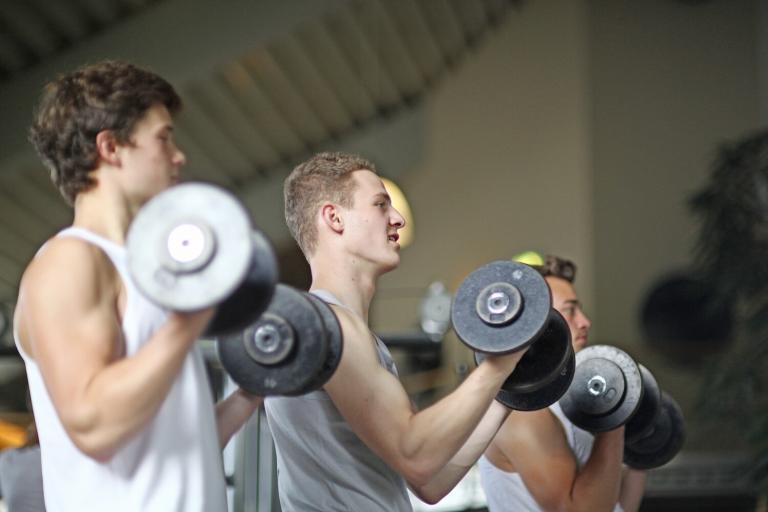
Dumbbells are incredibly versatile and allow you to train nearly every major movement pattern, including squats, lunges, presses, rows, carries, deadlift variations and core exercises.
Adjustable versions save space and are far more cost-effective than buying an entire dumbbell rack.
For beginners and experienced athletes alike, dumbbells provide an excellent balance of strength development, coordination, and movement control.
2. Resistance Bands: Small Tool, Big Value
Resistance bands are often overlooked because they seem simple, but they’re one of the most useful tools you can own.
Bands can be used for warmups and movement preparation, strength assistance or resistance, mobility work, rehabilitation exercises, and travel workouts.
They’re inexpensive, portable and effective for athletes of all levels. Even fully equipped performance facilities regularly incorporate resistance bands into training programs.
3. A Stable Bench
A sturdy adjustable bench opens the door to significantly more exercise options.
With a quality bench, you can perform dumbbell presses, step-ups, Bulgarian split squats, seated exercises, and incline or decline movements.
When choosing a bench, stability matters more than flashy features. A bench that wobbles or shifts during exercises can negatively impact both safety and performance.
4. Kettlebells for Power and Conditioning
Kettlebells are excellent tools for developing strength, power, coordination and conditioning simultaneously.
Exercises like swings, carries, goblet squats, cleans and Turkish get-ups challenge the body in unique ways and help build athletic movement capacity.
Even one or two kettlebells can provide a highly effective workout. They’re especially valuable for people who want efficient sessions without needing multiple machines.
5. Pull-Up Bar or Suspension Trainer
Upper body pulling strength is an important component of balanced fitness and long-term shoulder health.
A doorway pull-up bar or suspension trainer provides an effective way to train pull-ups, rows, core stability and grip strength.
Suspension trainers are especially useful because they allow scalable exercises for beginners while still challenging advanced athletes.
6. Flooring: It Matters More Than You Think
Good flooring is often one of the most overlooked home gym essentials.
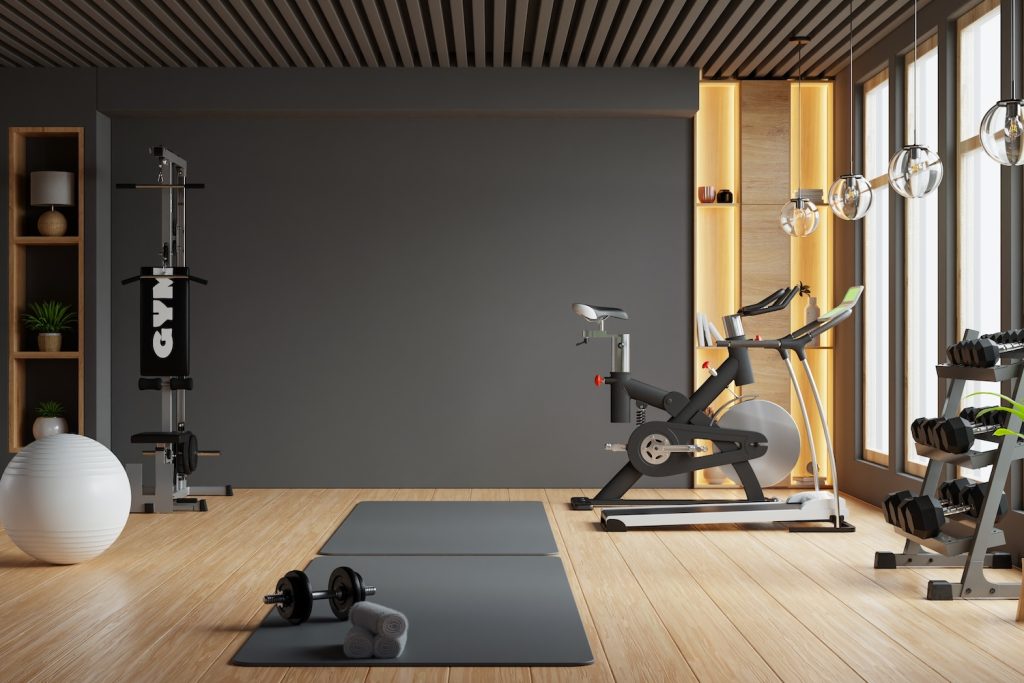
Rubber flooring or high-density mats help protect your joints, reduce noise, protect equipment and floors, and improve stability during lifts.
Even a simple flooring setup can make your training space feel more professional and enjoyable to use.
7. Cardio Equipment: Keep It Practical
You do not need multiple cardio machines.
Instead, choose one piece of equipment you’ll realistically use consistently. Depending on your goals and preferences, this might be a stationary bike, rowing machine, treadmill, jump rope or air bike.
The best cardio equipment is the one that fits your space, budget and training style.
8. A Rack and Barbell: Optional, But Valuable
For those serious about long-term strength development, a squat rack and barbell setup can be a worthwhile investment.
This setup allows for squats, deadlifts, presses, Olympic lift variations and pulling movements.
However, this is not mandatory for building strength or improving fitness. Many people achieve outstanding results with dumbbells, kettlebells and bodyweight training alone.
A barbell setup simply becomes more valuable as training goals become more strength-specific.
You Don’t Need a Fancy Gym to Get Results
One of the biggest misconceptions in fitness is that better equipment automatically creates better outcomes. The reality is that consistency matters more than complexity, effort matters more than aesthetics, and smart programming matters more than expensive machines.
An effective home gym should make training easier to maintain, not more complicated. Start with foundational equipment, learn how to use it well and build gradually over time as your needs evolve.
Final Thoughts
The best home gym is the one that helps you train consistently, safely and effectively. You don’t need every piece of equipment on the market.
Focus on essential home gym equipment that offers versatility, allowing you to perform a wide range of exercises and support your individual goals. A simple, thoughtfully designed training space can be more effective than an overcrowded gym full of equipment you rarely use.
At AIHP, we believe fitness education should focus on practical application and real-world coaching strategies that actually help people succeed long term.
Hannah Witt is a UESCA Certified Running Coach, endurance athlete, and content creator with a background in Human Biology and competitive collegiate running. Still actively training at a high level with 80+ mile weeks, she is passionate about helping runners pursue long-term performance through thoughtful training, injury prevention, strength work, and sustainable fueling practices. Through her coaching, Instagram platform, and YouTube interview series, The Performance Collective, Hannah aims to create an education-based support network that makes evidence-informed endurance training more approachable, empowering, and community-driven for runners of all levels, while also advocating strongly for animal welfare and rescue.