Strength and Performance Coaching in the Real World: Understanding the People You Serve
This is part two of an ongoing series exploring what strength and conditioning looks like in the real world. Here’s why understanding your clients and their motivations is just as important as knowing how to create programming.
Written by Hannah Witt

In the first installment of this series, I shared how my time as a group fitness instructor and personal trainer at a private club taught me that reputation and relationships are built one interaction at a time.
Earning trust was only half of the lesson, however. The other half was learning what to do with that trust once I had it. That meant truly understanding the people standing in front of me.
When I started, I assumed training would be mostly about programming: selecting the right exercises, sequencing them well and progressing them over time. What I discovered was that even the best program in the world falls flat if it doesn’t fit the person for whom it was written.
The members I worked with came to the gym with different histories, different fears and very different definitions of success. Becoming a better coach had far less to do with refining my exercise selection than with learning to recognize who was in front of me, uncover why they were there and adapt accordingly.
In other words, context matters in coaching. Everything that follows is an example of what that looks like in practice, including reading a population, finding an individual’s motivation and meeting people exactly where they were.
Understanding the Population in Front of You
The club’s demographics shaped my coaching approach in ways I could not have anticipated when I first started.
The majority of my participants and personal training clients were older adults, and approximately three-quarters were women. This wasn’t the result of a deliberate marketing strategy on my part. Rather, it reflected the realities of the community and the club’s membership.
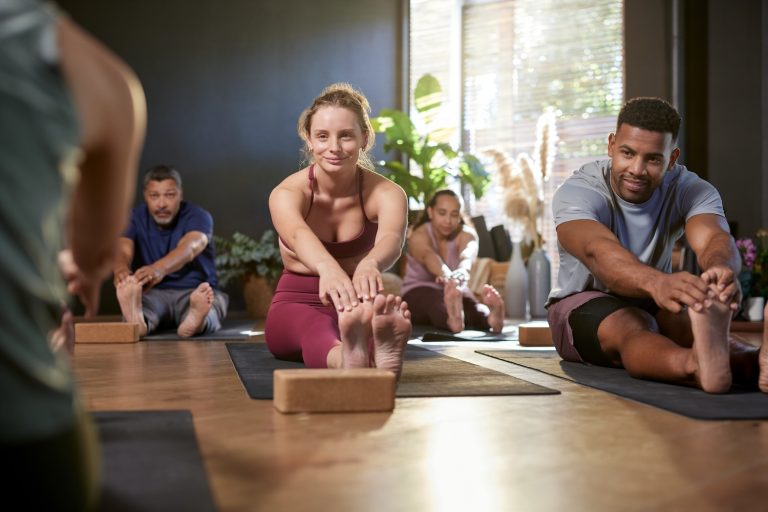
Many of the women I worked with enjoyed the social atmosphere of group fitness classes. The classes provided accountability, community and a supportive environment to exercise. Many of the men who attended appreciated the more structured portions of the workout, particularly the key focus segments involving sets and repetitions that felt familiar to traditional gym training.
Neither preference was better than the other. They simply reflected different motivations and experiences. Understanding those differences helped me become a better strength and conditioning professional.
But recognizing broad patterns across a population was only a starting point. The real work happened one person at a time.
Finding a Client’s ‘Why’
Many new coaches enter the profession envisioning athletes chasing performance goals. While those clients certainly exist, many of the people I worked with had entirely different motivations.
Some wanted to return to exercise after years of inactivity.
Others wanted to improve their strength and mobility so they could continue playing golf, tennis or pickleball with friends.
Some simply wanted to maintain their independence and quality of life.
The best exercise program in the world is useless if it doesn’t align with what the client values.
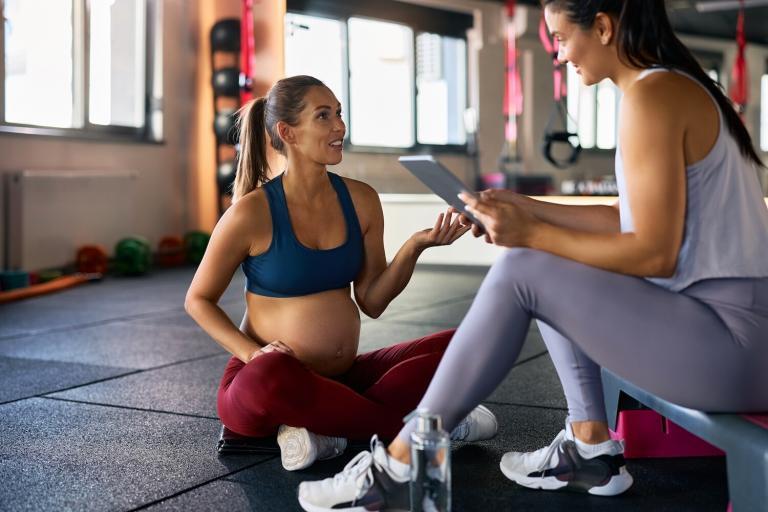
Group fitness classes gave me a unique opportunity to discover those motivations. Casual conversations before and after class often revealed far more about a person’s goals than any intake form ever could.
Understanding a client’s “why” helped me better understand how to coach them. That understanding became even more important once members transitioned from group classes into personal training.
When Personal Training Looks Different Than You Expected
Not every client who hired me arrived with strong intrinsic motivation.
Some were encouraged by spouses, partners or adult children who wanted them to become stronger and healthier. While these clients often benefited greatly from exercise, they frequently approached training with skepticism or uncertainty.
This required a different coaching approach.
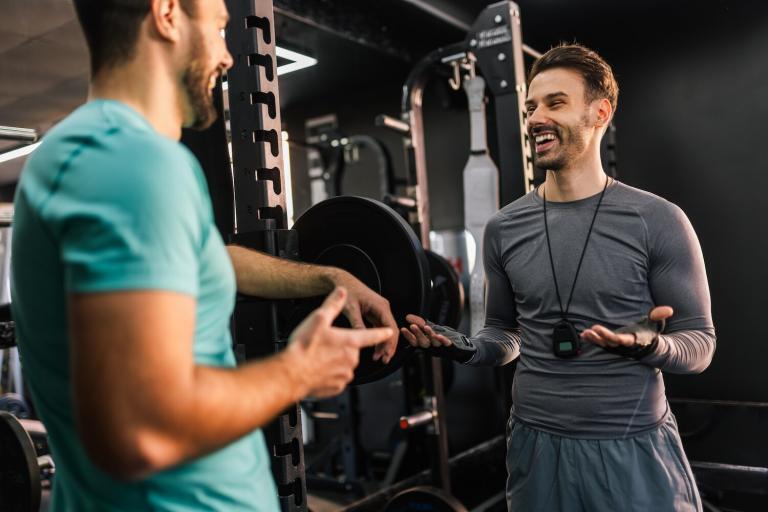
Rather than assuming buy-in, I learned to explain the purpose behind every exercise. Why are we doing this movement? How does it help you achieve your goals? Why does this machine matter?
Clients who are uncertain about exercise often need understanding before they need intensity.
The same principle held true once we moved from the “why” to the “how,” especially with clients who found the gym itself intimidating.
Coaching Older Adults: Practical Lessons from the Gym Floor
Working primarily with older adults taught me countless practical lessons.
For many older adults, fitness facilities can feel intimidating. Weight machines, in particular, are often viewed as complicated or unfamiliar.
One mistake I see many coaches make is trying to teach everything at once. When introducing a new client to a fitness facility, there can be a temptation to demonstrate every machine and every exercise available. In reality, this often creates information overload.
Instead, I found it more effective to focus each session on a specific theme, such as upper body or lower body, and limit the number of exercises introduced.
I made it a point to record machine settings, seat positions and adjustments for each client. While this may seem like a small detail, it had a significant impact. Returning to a machine and immediately knowing how to set it up created a sense of ownership and confidence. Clients felt capable of exercising independently rather than feeling as if they were starting from scratch each visit.
I also learned to respect limitations and concerns. Joint replacements, arthritis, balance issues and previous injuries all influenced exercise selection. When a client expressed discomfort or anxiety about a movement, forcing the issue rarely produced positive results. Building confidence often mattered more than introducing another exercise variation.
Empowerment Is Not a Threat
Ultimately, confidence is one of the greatest gifts a strength and performance professional can provide.
Many coaches worry that empowering clients to become more independent will somehow reduce their value. In my experience, the opposite is true.
Clients still need guidance, progression, accountability and expertise. What changes is that they begin viewing exercise as something they can successfully do rather than something they fear.
My goal was never to make clients dependent on me. My goal was to make them confident enough to succeed.
The Big Lesson: Context Matters in Coaching
Looking back, my success as both a group fitness instructor and personal trainer had far less to do with any specific exercise or programming model. It came from understanding the environment I worked in and the people I served.
The central lesson of this experience—and perhaps the central lesson of coaching itself—is that context matters. The principles of strength and conditioning may be universal, but their application is deeply personal.
Great coaching requires more than knowledge of exercise science. It requires the ability to understand motivations, adapt to circumstances, communicate effectively and meet people where they are.
In future installments of this series, I’ll explore additional coaching environments and populations. While the settings may change, one theme will remain constant: Being a strength and conditioning professional in the real world is rarely about applying a textbook exactly as written. It is about learning how to translate evidence-based knowledge into meaningful outcomes for the unique individuals standing in front of you.
Read more on what it takes to be a good personal trainer here.
Hannah Witt is a UESCA Certified Running Coach, endurance athlete, and content creator with a background in Human Biology and competitive collegiate running. Still actively training at a high level with 80+ mile weeks, she is passionate about helping runners pursue long-term performance through thoughtful training, injury prevention, strength work, and sustainable fueling practices. Through her coaching, Instagram platform, and YouTube interview series, The Performance Collective, Hannah aims to create an education-based support network that makes evidence-informed endurance training more approachable, empowering, and community-driven for runners of all levels, while also advocating strongly for animal welfare and rescue.