How to Be a Good Personal Trainer: The Role of a Coach Is About More Than Just Workouts
A great coach goes beyond leading workouts. Learning how to be a good personal trainer includes helping athletes improve movement quality, reduce the risk of injury, build confidence and train with purpose over the long term.
Written by Hannah Witt
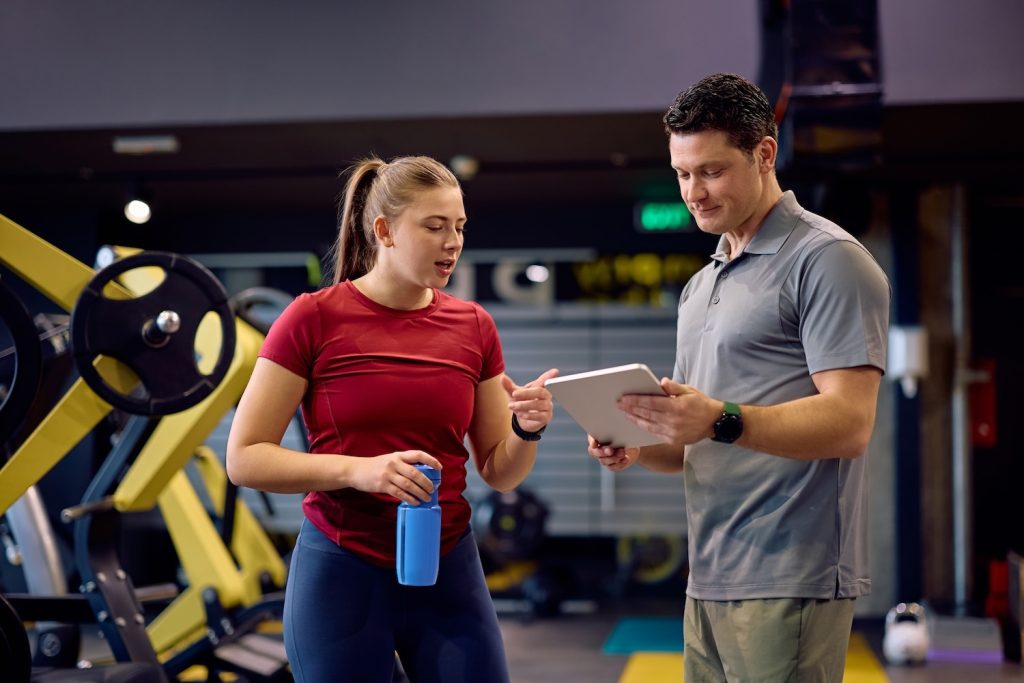
When many people hear the term “personal trainer,” they may picture someone counting reps in a gym or leading a high-energy workout session. While that can certainly be part of the job, the scope of how to be a good personal trainer goes much deeper.
A great coach is not simply there to make someone sweat. They are there to guide performance, reduce the risk of injury, improve movement quality, build confidence and help individuals train with purpose over the long term.
As athletes’ needs become more specialized, the role of the traditional personal trainer often expands. Coaches working with performance-focused clients are frequently responsible for much more than general fitness instruction. They may help athletes improve strength, power, mobility, recovery, durability and overall movement quality in ways that directly support sport performance and long-term health.
Because of this broader scope, many professionals in the industry use terms such as “strength and performance coach” or “strength and conditioning coach” to better reflect the depth of their role.
At AIHP, we believe the best coaches are educators, problem-solvers, communicators and leaders, not just exercise instructors.
Coaching Starts with Understanding the Limits in Their Scope of Practice
One of the most important lessons any new coach must learn is understanding what they are qualified to do and what falls outside their professional scope.
A responsible coach does not try to become a physical therapist, physician, dietitian or psychologist. Instead, they understand how to collaborate with other professionals while staying within the boundaries of their expertise.
This is especially important in the performance and endurance world, where athletes may deal with injuries, nutrition concerns, hormonal issues or mental performance challenges.
An ethical strength and performance coach knows when to:
- Refer out to medical professionals
- Encourage athletes to seek additional support
- Modify training appropriately
- Communicate clearly without stepping outside of their qualifications
This approach builds trust, professionalism and better outcomes for athletes.
The best coaches understand that coaching is not about pretending to know everything. It’s about knowing how to help people effectively and responsibly.
The Real Role of a Strength and Performance Coach
A strength and performance coach helps athletes improve their physical capacity in a way that supports their sport, goals and long-term health.
That role may include strength development, injury prevention strategies, speed and power training, mobility and movement coaching, conditioning programming, recovery guidance, training periodization, lifestyle and habit support, accountability and communication.
Most importantly, coaches help athletes apply structure and consistency to their training.
Athletes often know what they want to accomplish, such as running a faster marathon, returning from an injury or building strength. But many struggle with how to train effectively without overdoing it.
This is where coaching becomes invaluable.
Coaches Help Athletes Avoid Common Mistakes
One of the biggest benefits of working with a coach is avoiding the training mistakes that commonly lead to burnout, stagnation or injury.
Many athletes train too hard too often, ignore recovery, progress too quickly, follow random online workouts, lack long-term planning, skip foundational strength work or chase fatigue instead of adaptation.
A qualified coach provides clarity and structure.
Rather than simply exhausting athletes, good coaching focuses on:
- Appropriate progression
- Managing training stress
- Improving movement quality
- Balancing intensity and recovery
- Building durability over time
This is especially important for endurance athletes and active adults, where consistency matters far more than occasional extreme training sessions.
Coaching Is About Individualization
No two athletes are exactly the same.
Age, training history, injury background, sport demands, stress levels, recovery capacity, work schedules and movement limitations all influence how someone should train.
That’s why quality coaching is never one-size-fits-all.
An effective strength and performance coach learns how to adjust training based on the individual in front of them, not based on trends or generic programs.
A youth athlete may need coordination and movement development. A tactical professional may need resilience and conditioning. A postpartum athlete may require gradual rebuilding strategies. An endurance athlete may need strength work that supports running economy and durability. An older adult may prioritize balance, strength preservation and longevity.
Coaching is the process of meeting people where they are at, while helping them move toward their goals safely and effectively.
Great Coaches Are Great Communicators
Programming matters, but communication matters just as much.
Athletes need coaches who can explain the why behind training, build confidence, adjust based on feedback, encourage consistency, recognize signs of excessive fatigue or stress and create realistic expectations.
The best coaches understand that performance is not only physical. It is also behavioral and psychological.
Sometimes the most valuable thing a coach can do is help an athlete stay patient, focused and consistent through the ups and downs of training.
Strength and Performance Coaching Is Expanding Rapidly
Today, many strength and performance coaches work in environments outside the traditional gym.
Qualified professionals may work in any of the following environments:
- Commercial fitness facilities
- Sports performance centers
- Private coaching businesses
- Remote coaching environments
- Schools and universities
- Tactical performance settings
- Rehabilitation and return-to-play environments
- Endurance coaching spaces
- Corporate wellness programs
They may specialize in working with older adults, pregnancy and postpartum populations, youth athletes, tactical personnel, sports teams, endurance athletes and the general population.
At AIHP, our goal is to prepare coaches for real-world application across multiple settings, not simply teach exercise selection.
Coaching Is About Long-Term Development
One of the biggest misconceptions in fitness is that coaching is about pushing people to their limits every session. In reality, the best coaches think long term.
Sustainable progress comes from consistency, appropriate recovery, smart programming, gradual progression, education and athlete buy-in. The strongest athletes are rarely built through random intensity. They are built through years of structured, intelligent training.
A coach’s role is to guide that process while helping athletes remain healthy enough to continue progressing.
Final Thoughts on How to Be a Good Personal Trainer
A great strength and performance coach does far more than write workouts. They educate, guide, problem-solve, communicate and help athletes train with purpose.
Coaches understand their professional scope, prioritize long-term development and create individualized strategies that support both performance and health.
Whether working with general fitness clients, endurance athletes, sports teams, tactical personnel or special populations, the role of the coach remains the same: to help people become stronger, healthier, more resilient and more capable over time.
We believe coaching should combine science, ethics, communication and practical application to create professionals who can make a lasting impact in the real world.
Hannah Witt is a UESCA Certified Running Coach, endurance athlete, and content creator with a background in Human Biology and competitive collegiate running. Still actively training at a high level with 80+ mile weeks, she is passionate about helping runners pursue long-term performance through thoughtful training, injury prevention, strength work, and sustainable fueling practices. Through her coaching, Instagram platform, and YouTube interview series, The Performance Collective, Hannah aims to create an education-based support network that makes evidence-informed endurance training more approachable, empowering, and community-driven for runners of all levels, while also advocating strongly for animal welfare and rescue.
Interested in learning more about what it takes to become a successful personal trainer? Read these 5 keys to success.