Strength and Performance Coaching in the Real World: Building Relationships and Reputation
This is the first installment in an ongoing series exploring what strength and conditioning looks like in the real world. Here’s how to leverage your role as a group fitness instructor to build your reputation as a strength and performance coach.
Written by Hannah Witt
Strength and conditioning professionals spend countless hours studying anatomy, physiology, biomechanics and program design. These foundational sciences are essential, and they should be.
However, one thing that textbooks and certifications can only partially prepare you for is how much your day-to-day experience as a coach will be shaped by where you work and who you serve.
While the principles of exercise science remain constant, the application of those principles can vary dramatically depending on your location, employer and clientele. A coach working with collegiate athletes will have a very different experience than one working in a corporate fitness setting, a rehabilitation clinic or a private club.
This is the first installment in an ongoing series exploring what strength and conditioning looks like in the real world, based on my own professional experiences and the lessons I’ve learned.
My experience took place at a private club located in a resort-style community. The club had a reputation for exclusivity and catered primarily to affluent members, many of whom split their time between multiple residences throughout the year.
At first glance, it may not seem like the typical setting people imagine when they think of strength and conditioning. Yet, the lessons I learned there taught me more about coaching, communication and human behavior than any textbook ever could.
Read what most personal training certifications miss.
Every Class Is an Audition
When I first joined the club, my most consistent responsibility was serving as a group fitness instructor three mornings per week. Personal training opportunities existed, but several established trainers were already competing for clients.
My background and credentials were featured in the club’s newsletter, which certainly helped create awareness. But I quickly realized that credentials alone would not be enough to build a client base.
What I didn’t appreciate at the time was that every group fitness class was effectively an audition. Each class gave members an opportunity to evaluate not only my knowledge, but also my personality, communication style, professionalism and coaching approach.
Unlike a social media advertisement or a resume, a group fitness class allowed people to experience my coaching firsthand. Members could see how I explained exercises, modified movements, organized workouts and interacted with participants.
Here’s how I used that opportunity to create group fitness classes that participants enjoyed, build relationships with potential clients, and ultimately strengthen my professional reputation.
Building a Reputation Through Positive Experiences
In a private club setting, exposure is amplified. Members don’t just see one another in the fitness center. They interact throughout the club—during exercise classes, on the golf course, on tennis and pickleball courts, at the pool and over meals in the clubhouse restaurant.
Positive experiences spread quickly.
Unfortunately, negative experiences spread just as quickly.
That reality taught me an important lesson: Reputation is one of the most valuable assets a coach can possess. In a close-knit environment, it is built one interaction at a time.
A great class will generate conversations. A class that misses the mark will generate conversations, too. The difference is that one helps build your business while the other can undermine it.
Learning to consistently deliver a positive experience became just as important as delivering an effective workout.
The Most Valuable Five Minutes: The Cooldown
One of the most effective strategies I developed involved the final minutes of class.
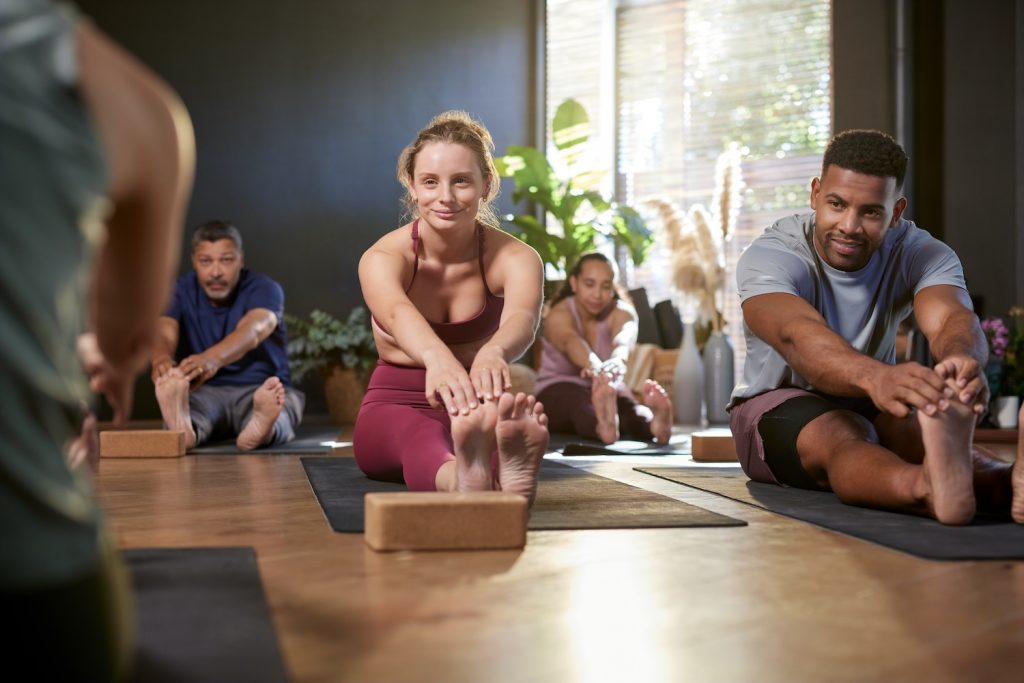
After participants completed the workout, we would transition into a cooldown and flexibility segment. While stretching, I would summarize what we accomplished that day, acknowledge their effort and ask for feedback.
The timing was intentional. The hardest work was finished, people were relaxed and they had a sense of accomplishment. This created an environment where conversations felt natural and constructive.
More importantly, members felt heard.
What started as a simple effort to gather feedback became one of the most valuable relationship-building tools I had as a coach. Participants appreciated being asked for their opinions, and even when they suggested changes, those conversations strengthened trust.
Consistency Matters More Than Variety
As my classes evolved, I discovered that consistency was just as important as variety.
My weekly schedule consisted of classes on Tuesdays, Thursdays and Fridays. Tuesdays emphasized lower-body strength. Thursdays focused on core training. Fridays centered on balance and upper-body work. While the primary focus changed each day, I intentionally maintained a similar class structure.
Each session began with a mobility and cardio-based warm-up, transitioned into the day’s key focus segment and concluded with a cooldown tailored to the muscles we had emphasized. Beyond programming, this structure accomplished something important: It created familiarity.
Participants began to recognize movements, anticipate the flow of class and develop confidence in their ability to succeed. For many individuals returning to exercise after years away from structured training, confidence is often a prerequisite for consistency. The less time they spend worrying about what comes next, the more energy they can devote to the workout itself.
Every Opportunity Builds Your Reputation
One of the biggest lessons I took away from that experience was that no opportunity within the strength and performance profession is too small to shape your career.
At the time, it would have been easy to view group fitness instruction as simply one part of my job while I worked toward building a personal training clientele. Looking back, those classes became the very reason members trusted me enough to seek out my coaching. Every session was an opportunity to demonstrate professionalism, build relationships and create an experience that inspired people to return.
For students and early career strength and performance professionals, it’s worth remembering that your reputation is built long before someone hires you as their coach or trainer.
Whether you’re leading a group fitness class, assisting in a collegiate weight room, supervising a training session or coaching a single client, every interaction contributes to how others perceive you. Take those opportunities seriously, because the professionalism, trust and relationships you build early in your career often become the foundation for future opportunities.
In part two of this series, I’ll explore another lesson this experience taught me about the importance of understanding the population you serve, uncovering each client’s motivations and adapting evidence-based practice to the individual.
Keep reading: Why the role of a coach is about more than just workouts.
Hannah Witt is a UESCA Certified Running Coach, endurance athlete, and content creator with a background in Human Biology and competitive collegiate running. Still actively training at a high level with 80+ mile weeks, she is passionate about helping runners pursue long-term performance through thoughtful training, injury prevention, strength work, and sustainable fueling practices. Through her coaching, Instagram platform, and YouTube interview series, The Performance Collective, Hannah aims to create an education-based support network that makes evidence-informed endurance training more approachable, empowering, and community-driven for runners of all levels, while also advocating strongly for animal welfare and rescue.